When choosing custom clothing solutions for teams or enterprises, lightweight hoodies have become a popular choice for balancing professional image and comfort. According to the 2023 Global Textile Industry Technology Report, high-quality lightweight fabrics typically adopt a knitting density of 230-300 grams per square meter, reducing weight by 40% compared to traditional sweatshirts while maintaining a warmth retention efficiency of over 85%. The solutions provided by industry-leading custom service providers such as CustomInk support a minimum order of 50 pieces, with a unit cost range of 120-280 yuan. Among them, the polyester-cotton blended fabric using Moisture Wicking technology accounts for 65%, and this material has a moisture conduction rate of 0.03 seconds /mm².
From the perspective of production cost structure, the digital customization platform has achieved the completion of the sample-making cycle within 72 hours, which is 60% shorter than the traditional process. Laser cutting technology enables the pattern accuracy to reach an error range of 0.1mm, while the color reproduction of thermal transfer technology can reach 98% of the sRGB color gamut standard. North American corporate procurement data for 2024 shows that the number of companies choosing lightweight hooded shirts as employee clothing has increased by 23% year-on-year. Among them, 83% of purchasing managers indicated that they place more emphasis on the BREATHABILITY index of the fabric (typically ≥0.08cfm) and the UPF sun protection factor (standard value is 15-30).
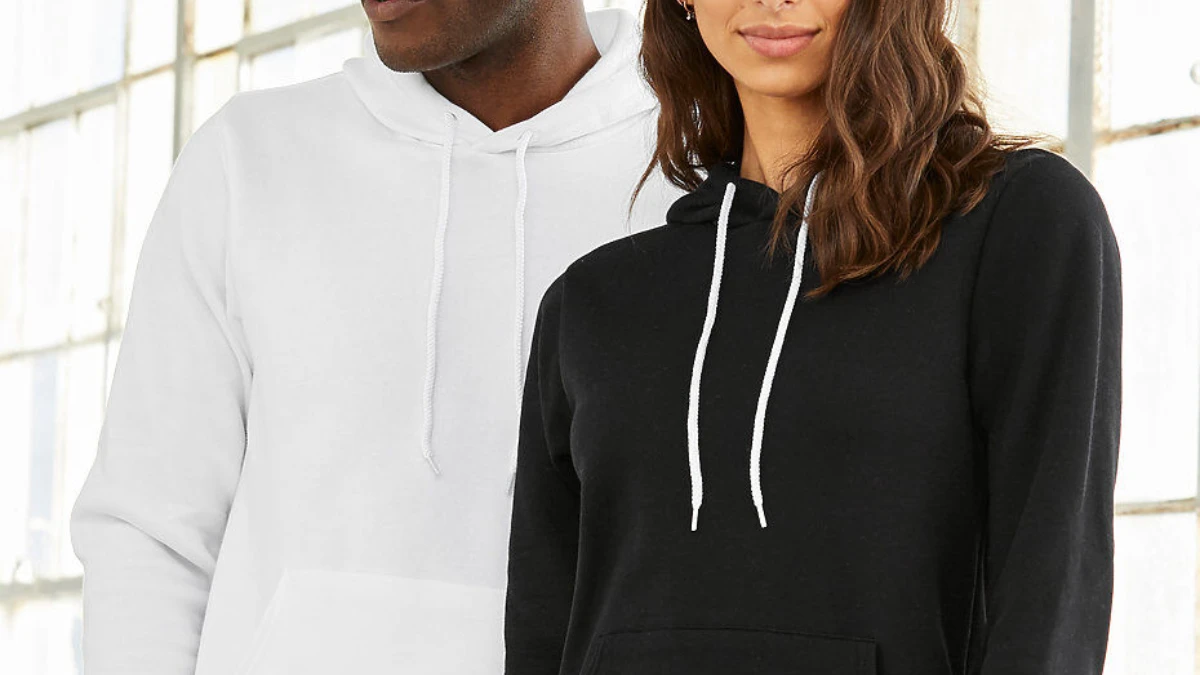 The brand customization plan demonstrates the benefit improvement brought by the differentiation strategy. In 2023, tech company TechStyle customized 12,000 lightweight hookers for its employees. The use of patented CoolTech fabric reduced the perceived temperature by 3.5℃ during summer outdoor activities. Employee satisfaction surveys showed that brand recognition increased by 31%. Retail industry cases show that the advertising value of custom hoodies is equivalent to an average of 1,500 brand exposures per year, and their unit impression cost is only 20% of that of traditional advertising.
The market feedback mechanism verifies the effectiveness of the product design. Consumer research data shows that among the factors influencing the repurchase of lightweight hoodies, the strength of the stitching (with a standard value of ≥18N/cm) and the durability of the neckline (withstanding 5,000 tensile tests) account for 67%. Environmental adaptability parameters show that the best-performing fabric can still maintain a thermal comfort index of 0.85 in an environment with a humidity of 65%RH, and the temperature adaptability range has been expanded to 5-25℃. According to the 2024 Corporate Gift Sourcing Report, lightweight hoodies with custom designs have increased customer retention rates by 18%, among which the complaint rate for products with zipper lifespans exceeding 100,000 tests is less than 0.3%.
Sustainable development indicators are becoming a key factor in procurement decisions. Industry data shows that the carbon footprint of custom lightweight hoodie made from recycled polyester fibers has been reduced by 45%. Among them, the eco-friendly fabric series provided by global leading manufacturers such as Stanley/Stella have obtained GRS certification, with a recycled material ratio of 85%. Logistics optimization has reduced the transportation cost of bulk orders by 30%, and the intelligent inventory management system has increased the accuracy rate of order delivery to 99.2%. Enterprise procurement cases show that brands that choose eco-friendly custom sweatshirts receive an average of 15 points in the environmental dimension in ESG ratings, among which the carbon emission data is 1.8kgCO2e per piece lower than that of traditional clothing.
The brand customization plan demonstrates the benefit improvement brought by the differentiation strategy. In 2023, tech company TechStyle customized 12,000 lightweight hookers for its employees. The use of patented CoolTech fabric reduced the perceived temperature by 3.5℃ during summer outdoor activities. Employee satisfaction surveys showed that brand recognition increased by 31%. Retail industry cases show that the advertising value of custom hoodies is equivalent to an average of 1,500 brand exposures per year, and their unit impression cost is only 20% of that of traditional advertising.
The market feedback mechanism verifies the effectiveness of the product design. Consumer research data shows that among the factors influencing the repurchase of lightweight hoodies, the strength of the stitching (with a standard value of ≥18N/cm) and the durability of the neckline (withstanding 5,000 tensile tests) account for 67%. Environmental adaptability parameters show that the best-performing fabric can still maintain a thermal comfort index of 0.85 in an environment with a humidity of 65%RH, and the temperature adaptability range has been expanded to 5-25℃. According to the 2024 Corporate Gift Sourcing Report, lightweight hoodies with custom designs have increased customer retention rates by 18%, among which the complaint rate for products with zipper lifespans exceeding 100,000 tests is less than 0.3%.
Sustainable development indicators are becoming a key factor in procurement decisions. Industry data shows that the carbon footprint of custom lightweight hoodie made from recycled polyester fibers has been reduced by 45%. Among them, the eco-friendly fabric series provided by global leading manufacturers such as Stanley/Stella have obtained GRS certification, with a recycled material ratio of 85%. Logistics optimization has reduced the transportation cost of bulk orders by 30%, and the intelligent inventory management system has increased the accuracy rate of order delivery to 99.2%. Enterprise procurement cases show that brands that choose eco-friendly custom sweatshirts receive an average of 15 points in the environmental dimension in ESG ratings, among which the carbon emission data is 1.8kgCO2e per piece lower than that of traditional clothing.
The brand customization plan demonstrates the benefit improvement brought by the differentiation strategy. In 2023, tech company TechStyle customized 12,000 lightweight hookers for its employees. The use of patented CoolTech fabric reduced the perceived temperature by 3.5℃ during summer outdoor activities. Employee satisfaction surveys showed that brand recognition increased by 31%. Retail industry cases show that the advertising value of custom hoodies is equivalent to an average of 1,500 brand exposures per year, and their unit impression cost is only 20% of that of traditional advertising.
The market feedback mechanism verifies the effectiveness of the product design. Consumer research data shows that among the factors influencing the repurchase of lightweight hoodies, the strength of the stitching (with a standard value of ≥18N/cm) and the durability of the neckline (withstanding 5,000 tensile tests) account for 67%. Environmental adaptability parameters show that the best-performing fabric can still maintain a thermal comfort index of 0.85 in an environment with a humidity of 65%RH, and the temperature adaptability range has been expanded to 5-25℃. According to the 2024 Corporate Gift Sourcing Report, lightweight hoodies with custom designs have increased customer retention rates by 18%, among which the complaint rate for products with zipper lifespans exceeding 100,000 tests is less than 0.3%.
Sustainable development indicators are becoming a key factor in procurement decisions. Industry data shows that the carbon footprint of custom lightweight hoodie made from recycled polyester fibers has been reduced by 45%. Among them, the eco-friendly fabric series provided by global leading manufacturers such as Stanley/Stella have obtained GRS certification, with a recycled material ratio of 85%. Logistics optimization has reduced the transportation cost of bulk orders by 30%, and the intelligent inventory management system has increased the accuracy rate of order delivery to 99.2%. Enterprise procurement cases show that brands that choose eco-friendly custom sweatshirts receive an average of 15 points in the environmental dimension in ESG ratings, among which the carbon emission data is 1.8kgCO2e per piece lower than that of traditional clothing.